Robot Vacuums
The first robot in most homes. From a 1950s novel to self-emptying docks: how robot vacuums navigate, map rooms, mop floors and became the most common home robot on the planet.
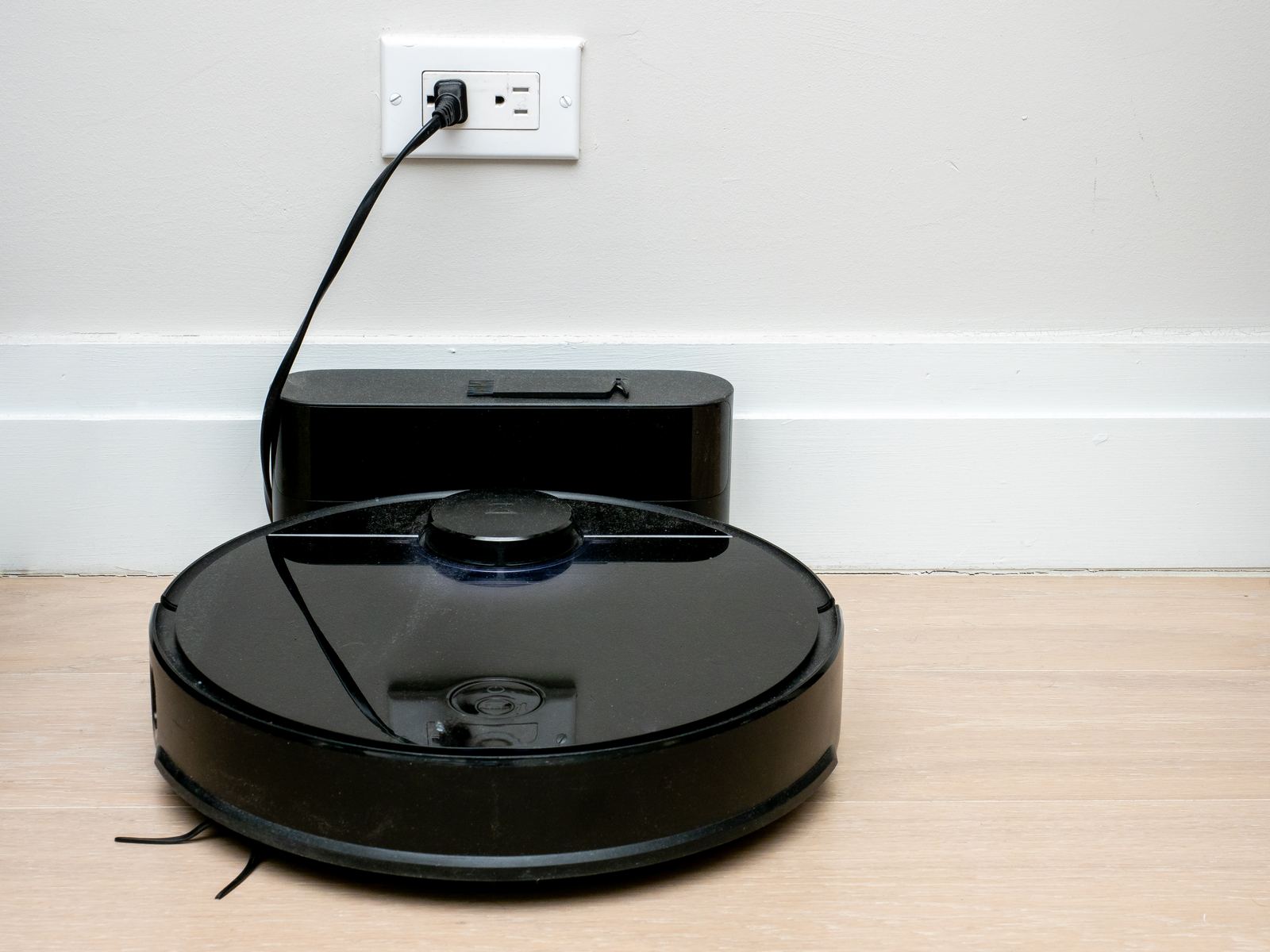
A robot vacuum on its dock: ajay_suresh, CC BY 2.0
A sci-fi chore come true
Robert A. Heinlein's 1956 novel The Door into Summer imagined a robot that cleaned floors and returned to a dock to recharge. Real attempts followed slowly. Electrolux introduced the Trilobite in 1996, often counted as the first robot vacuum, but it bumped into things and missed spots. The breakthrough came in 2002 with iRobot's Roomba, a low, round robot that was affordable enough to sell in big numbers.
The company that made the category famous had a bumpy recent history. A planned sale to Amazon collapsed in early 2024, and iRobot filed for Chapter 11 bankruptcy in December 2025 with a plan to be acquired by its Chinese manufacturing partner, Shenzhen Picea Robotics.
How they find their way
Early robots used simple rules: spiral out, follow walls, turn when you bump into something, and repeat. It sounds random, and it was, but it cleaned surprisingly well. In 2010 the Neato XV-11 added a spinning laser that measured distances to walls, letting the robot clean in neat rows. In 2015 camera-based mapping arrived, with an upward-facing camera recognizing landmarks such as ceiling corners.
Today's robots usually combine lidar or cameras with cliff sensors that stop them from tumbling downstairs and bump sensors as a last resort. Saved maps let you send the robot to just the kitchen, or draw no-go zones around a pet bowl.
Docks that do the dirty work
Modern bases can empty the robot's small dust bin into a larger bag, so you only deal with dirt every few weeks. Mopping models add a water tank and pads, and top-end docks wash and dry the mop pads and refill clean water automatically. Some lift their mop when they detect carpet.
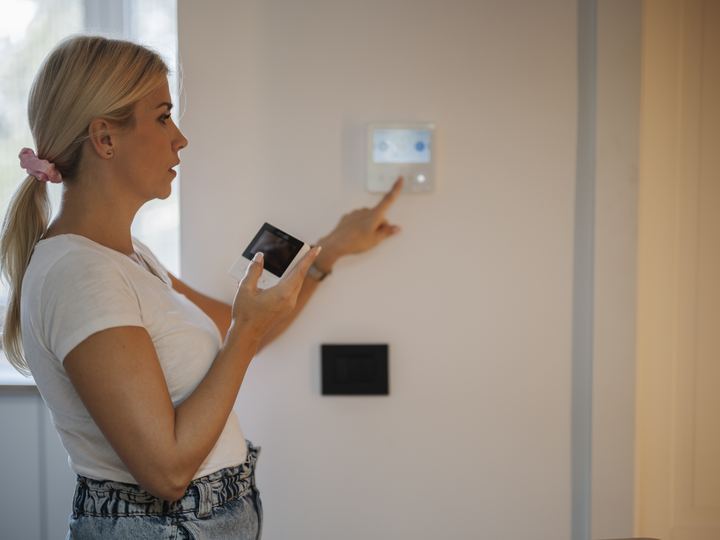
Robots are now one of the device types in the Matter smart home standard, which means they can join routines like start cleaning when everyone leaves.
Before you buy
Robots struggle with cords, socks and deep-pile rugs, so a quick tidy before a run helps. Camera models raise fair privacy questions, so check what is stored and where. And a robot complements a regular vacuum; it does not fully replace one for stairs and corners.
Battery life, bin size, noise and how well the app handles room maps matter more day to day than headline suction numbers. Spare brushes, filters and mop pads are worth checking too, since they wear out and need replacing.
Facts on this page were checked against these sources.
- A robot vacuum on its dock: ajay_suresh, CC BY 2.0
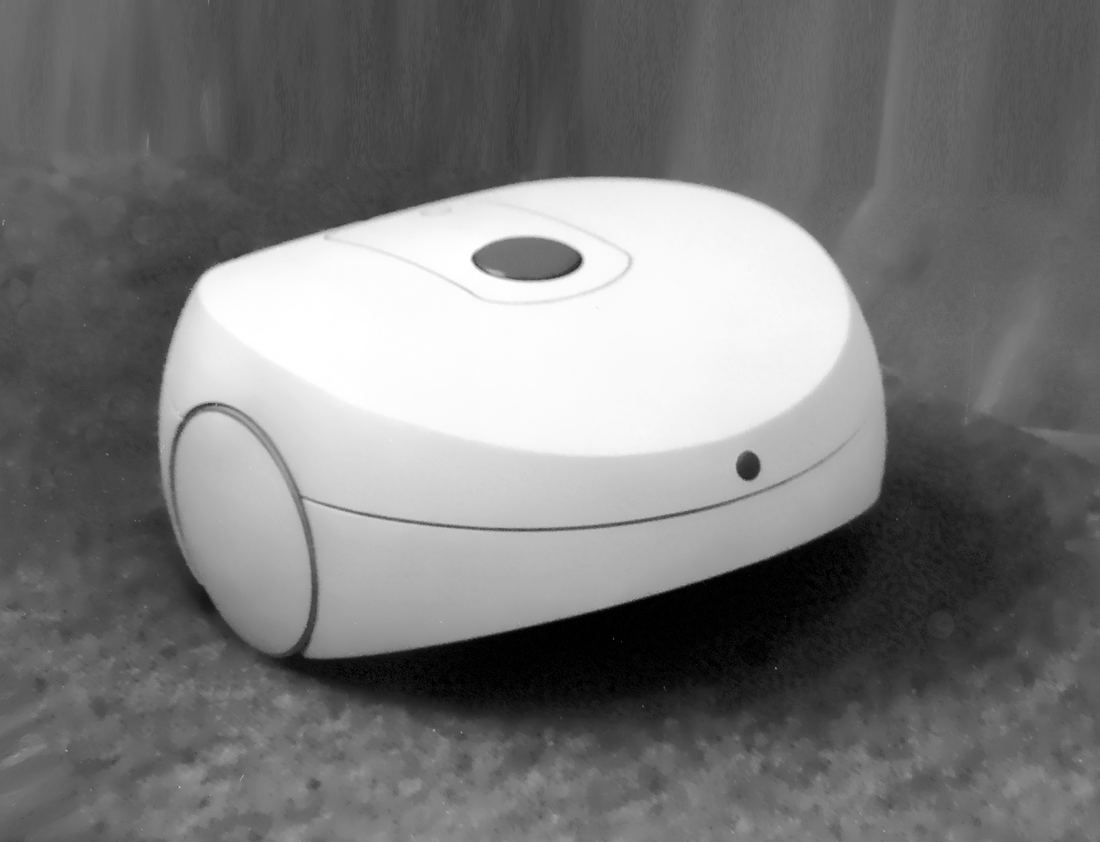
- A 1994 robot vacuum concept: TiHa, CC BY-SA 4.0
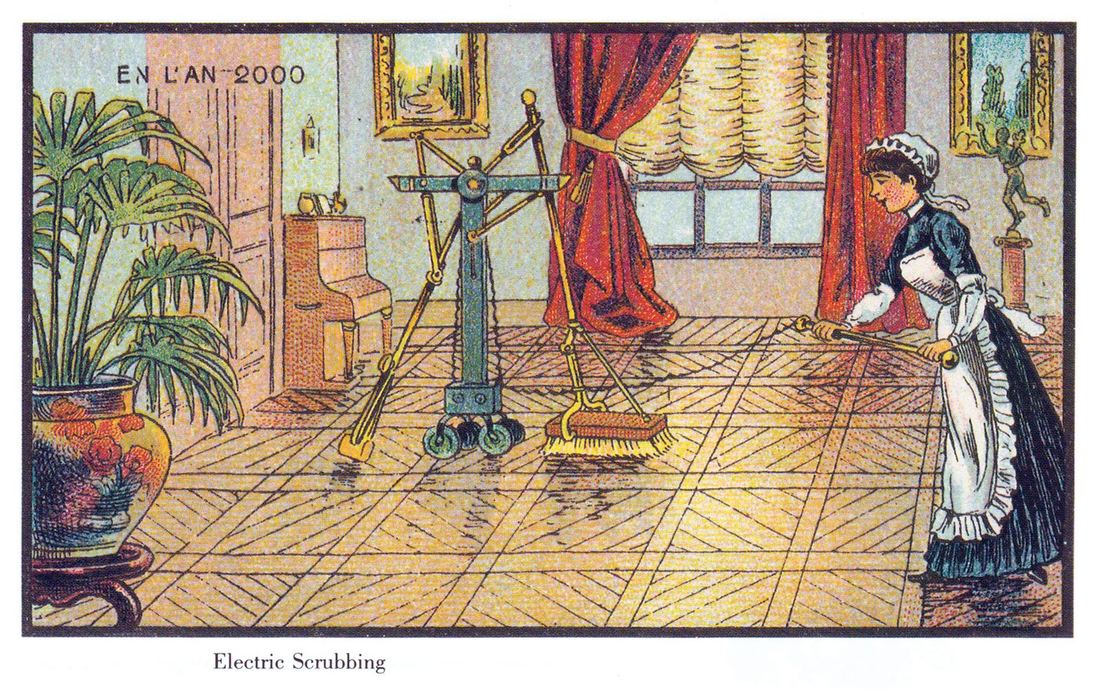
- Electric scrubbing, imagined around 1900: Jean Marc Cote, Public domain
Text written by Futuristic Flow.