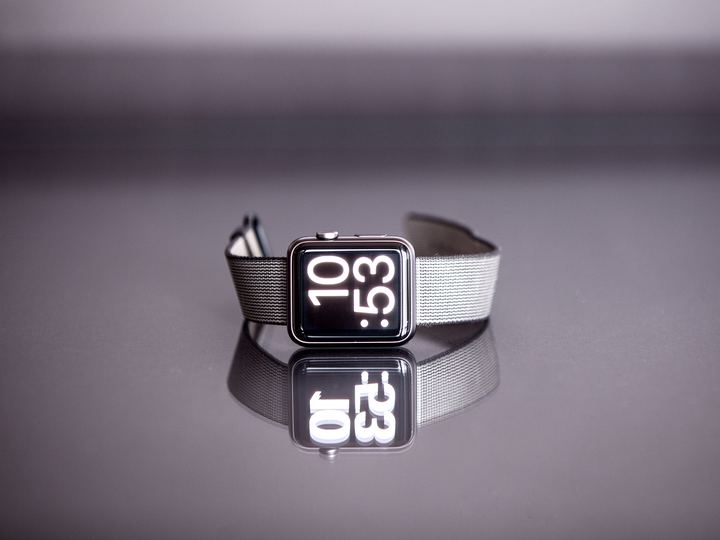
Smart Glasses and AR
Screens that sit on your face. Smart glasses went from the awkward Google Glass years to stylish frames with cameras, speakers and tiny displays. How augmented reality eyewear works.
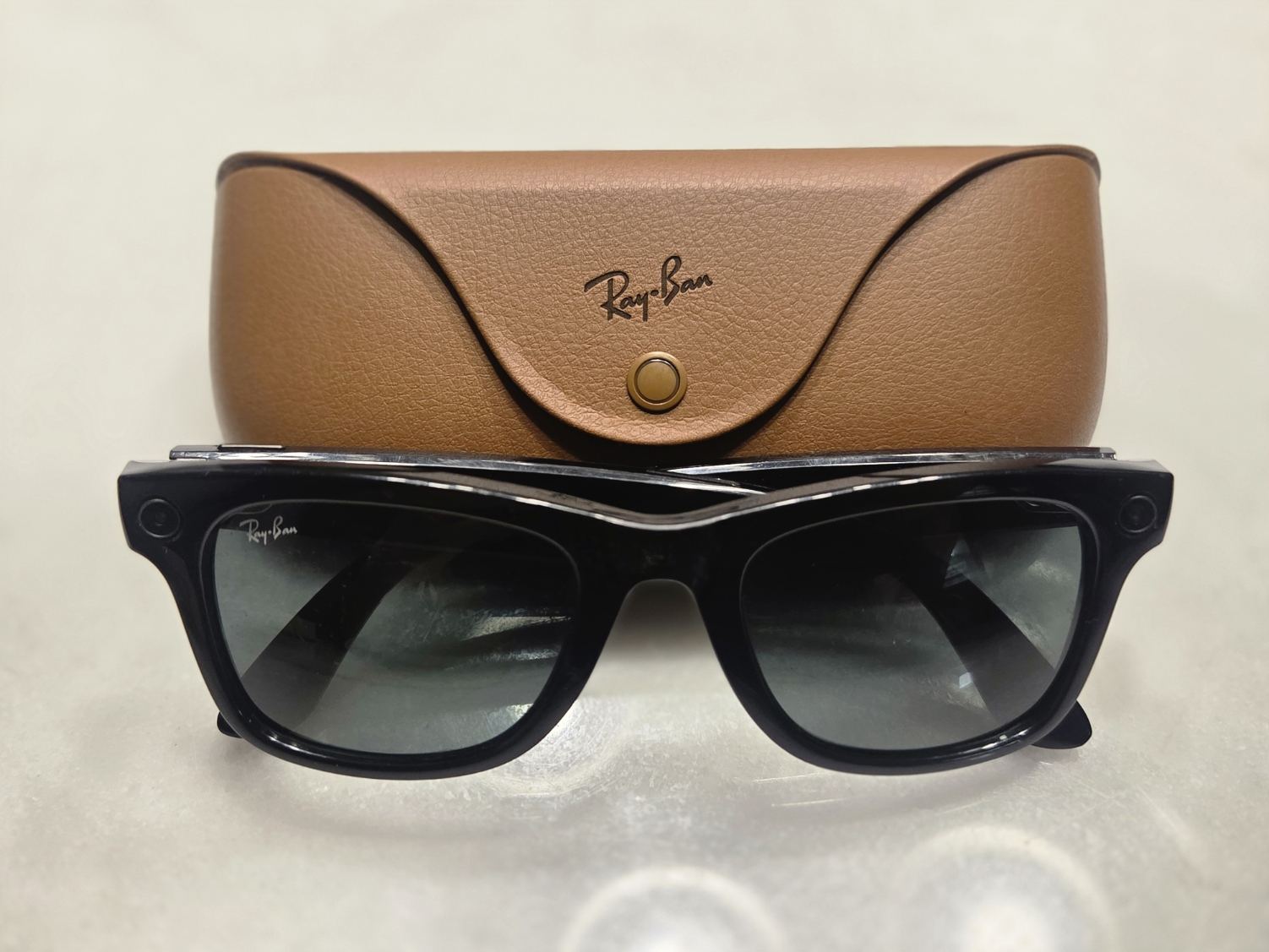
Camera glasses and charging case: CCadio, CC BY 4.0
Three kinds of face tech
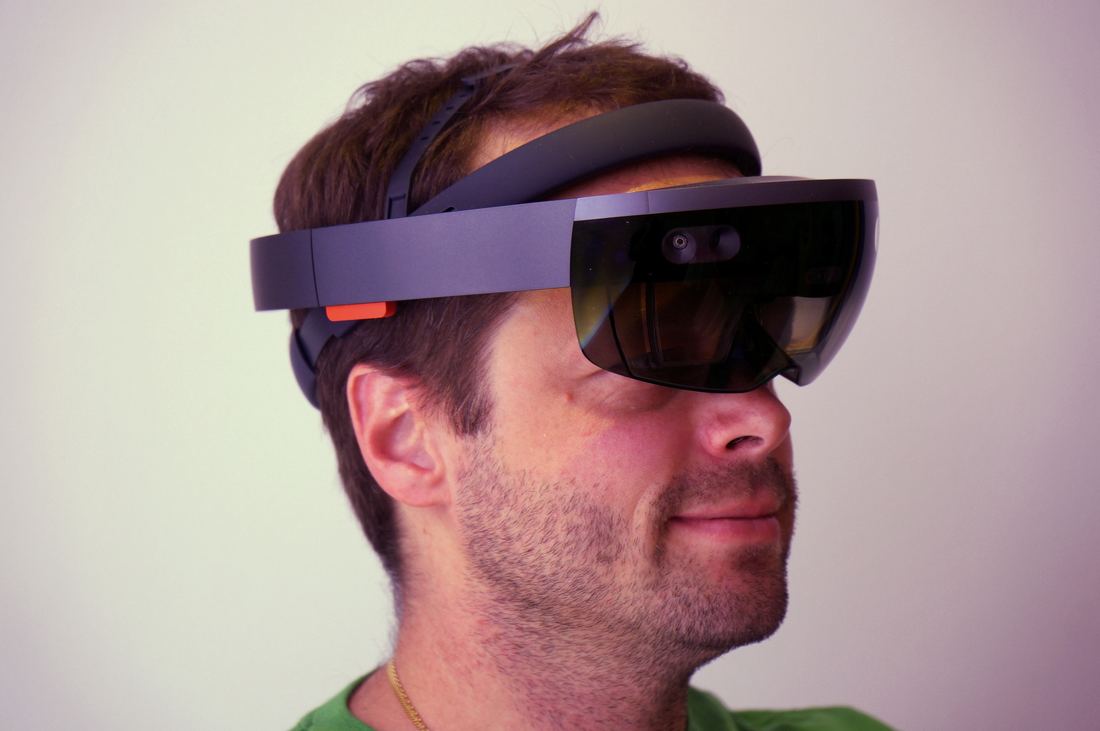
Smart glasses come in three broad flavors. Audio and camera glasses look like ordinary frames but hide speakers, microphones and a small camera. Display glasses add a tiny screen that floats text or simple images in the corner of your view. Mixed reality headsets are bulkier visors that map the room and place 3D objects on your table or wall.
Augmented reality is the overall idea: adding digital information on top of the world you already see, rather than replacing it as virtual reality does.
The Google Glass lesson
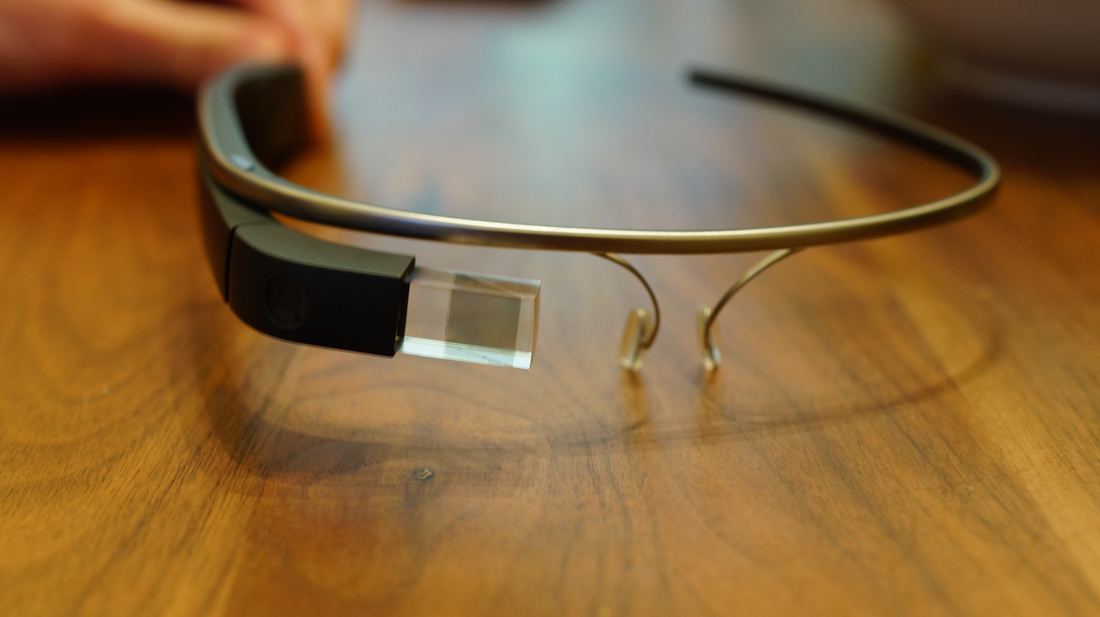
Researchers such as Steve Mann were building wearable cameras and displays decades ago, but Google Glass made the idea famous. The Explorer Edition reached early users in 2013 with a little prism display above one eye. People worried about being filmed without knowing, and consumer sales ended in January 2015. Glass lived on for factories and warehouses until Google stopped enterprise sales in 2023.
The lesson for the industry was that glasses have to look normal, be comfortable all day and make it obvious when the camera is recording.
The stylish comeback
In 2021 Ray-Ban Stories arrived, eyewear with cameras, speakers and microphones but no display. Newer camera glasses followed, and in September 2025 the Meta Ray-Ban Display became the first Ray-Ban smart glasses with a built-in screen. Other tech and eyewear makers have announced their own designs.
These glasses lean on a phone for most of their computing, which keeps them light. A small LED usually lights up when the camera records, a direct answer to the privacy worries of the Glass era.
What is still hard
Bright, sharp displays that work outdoors, all-day battery life, prescription lenses and weight are the toughest engineering problems. Social rules matter too: many venues and workplaces ask people to remove camera glasses. True all-day AR glasses that replace your phone are still a future goal, but the steps toward them are now on sale.
If you try a pair, think about where you will wear them. Camera glasses are fun for hands-free photos on a walk or a bike ride, while display glasses suit quick glances at directions or messages. Mixed reality headsets remain best for work, design and entertainment at home.
Facts on this page were checked against these sources.
- Camera glasses and charging case: CCadio, CC BY 4.0
- Google Glass Explorer Edition: Ted Eytan, CC BY-SA 2.0
- A mixed reality headset: Kai Kowalewski, CC BY-SA 4.0
Text written by Futuristic Flow.